
Comparing Marble and Other Natural Stones: Which is Right for Your Project?


Understanding Marble
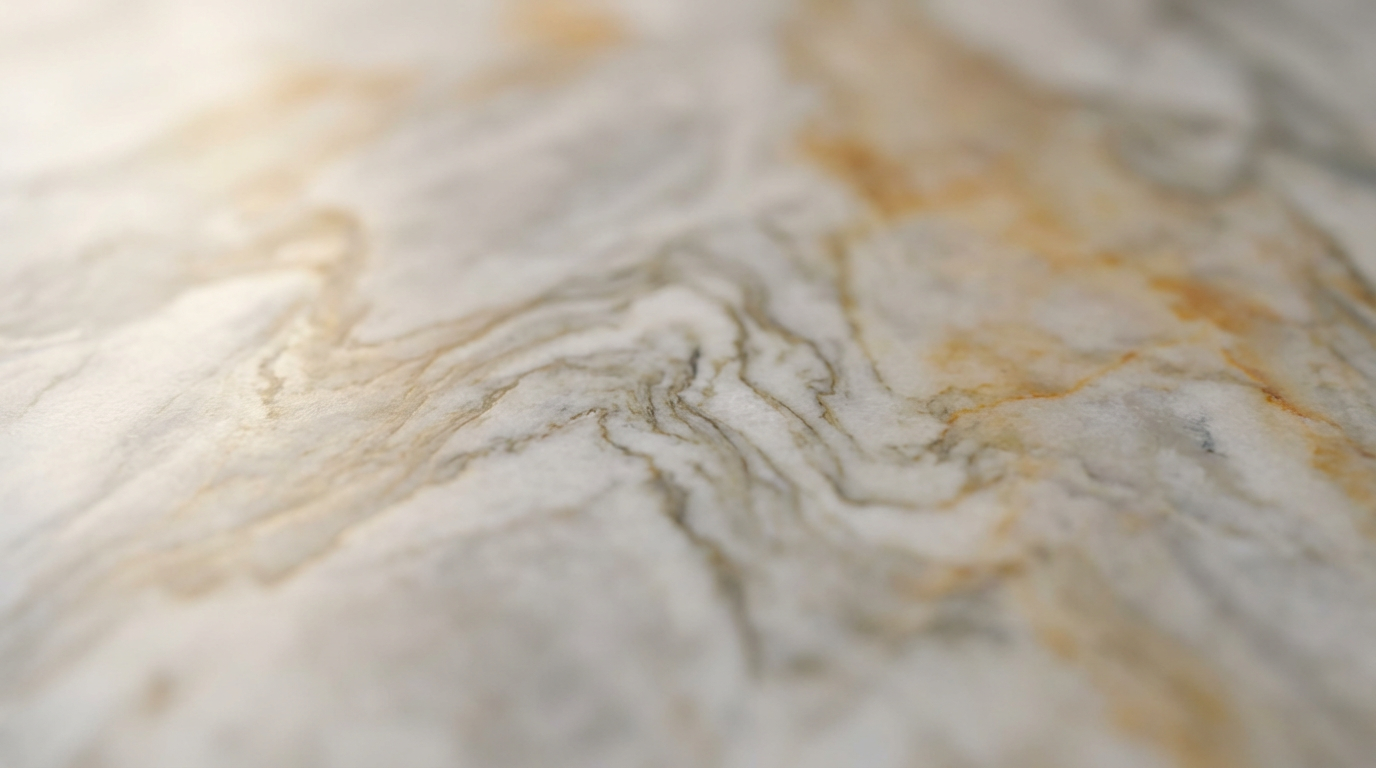
Marble is a timeless classic that has been used in architecture and design for centuries. Known for its elegant veining and luxurious appearance, marble is often the go-to choice for high-end projects. However, it is essential to understand its characteristics and suitability for different applications. Marble is a softer stone, which means it can be more prone to scratches and stains. Proper sealing and maintenance are necessary to preserve its beauty.
Applications and Benefits
Marble is ideally suited for indoor applications such as bathrooms, flooring, and countertops. Its natural beauty adds a touch of sophistication to any space. Some of the key benefits of using marble include its aesthetic appeal and the unique patterns that make each piece distinctive. However, it’s important to consider its sensitivity to acids and its potential to develop a patina over time.
Exploring Granite
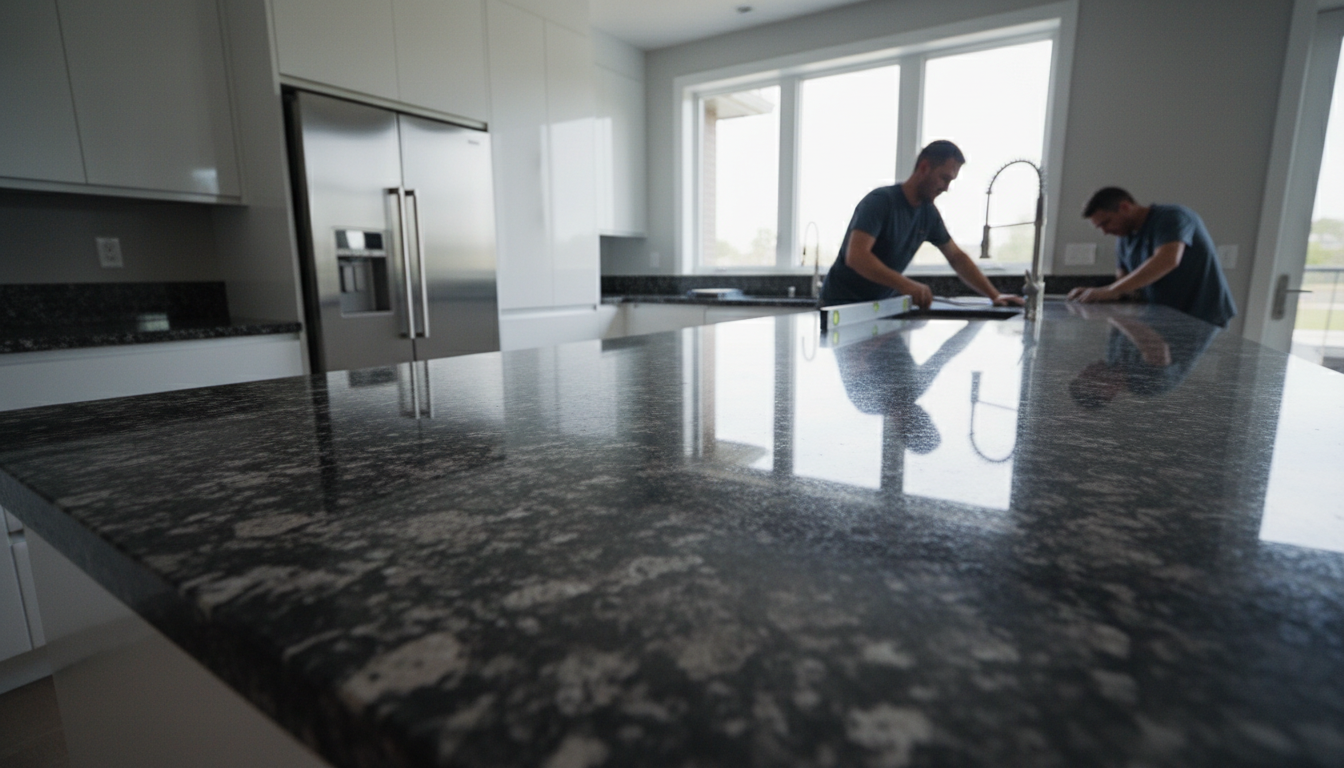
Granite is another popular natural stone, renowned for its durability and variety of colors. Unlike marble, granite is much harder, making it resistant to scratches and heat. This makes it a preferred option for kitchen countertops and high-traffic areas. Granite’s robust nature ensures it can withstand everyday wear and tear, maintaining its appearance for years.
Advantages of Granite
Granite’s durability is one of its most significant advantages, but it also offers a wide range of colors and patterns, from subtle to bold. It can add both style and functionality to a project. Furthermore, granite requires minimal maintenance compared to marble, making it a practical choice for busy households.
Considering Slate
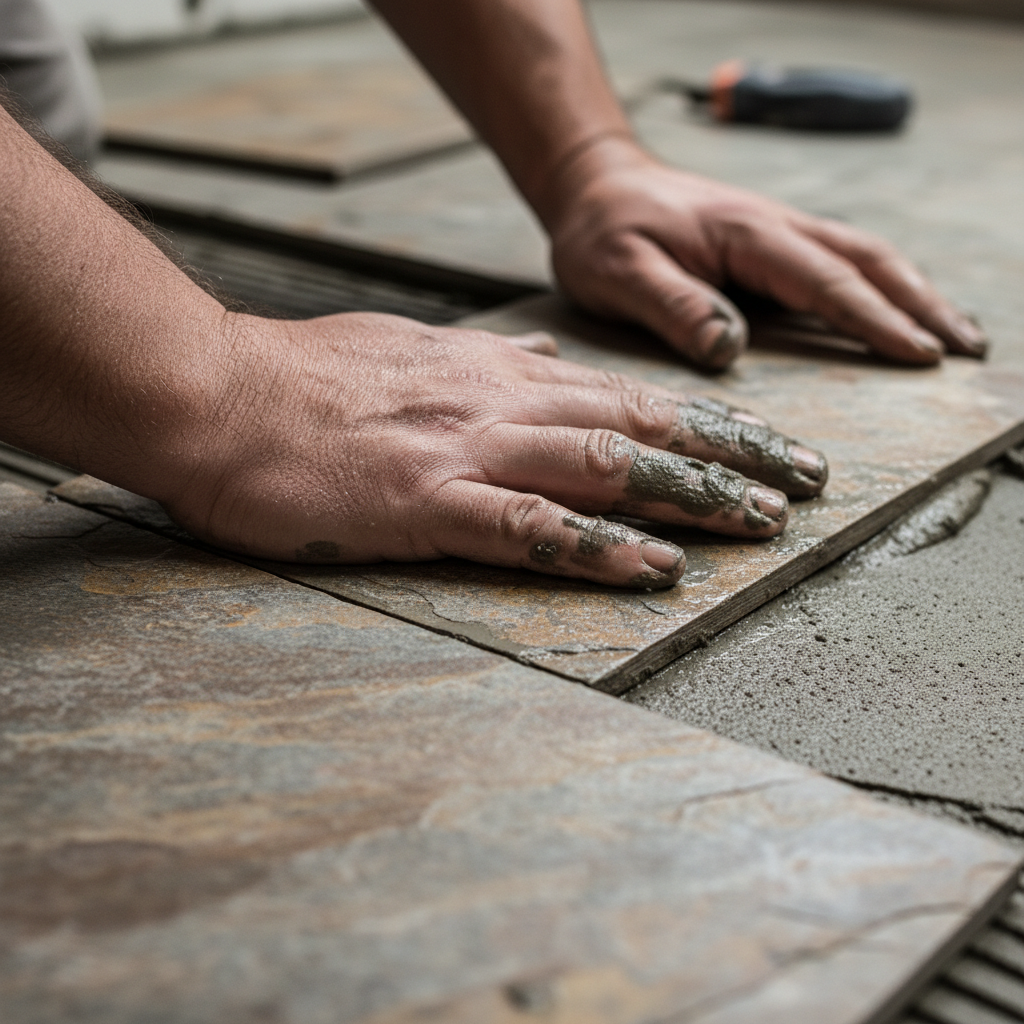
Slate is a versatile natural stone known for its rich texture and earthy tones. It is often used in flooring, roofing, and wall cladding. Slate’s natural slip resistance makes it an excellent choice for outdoor applications and wet areas such as bathrooms and kitchens.
Why Choose Slate?
One of the standout features of slate is its durability and resistance to water, making it suitable for both indoor and outdoor projects. It offers a rustic charm that can enhance both modern and traditional designs. Slate requires proper sealing to prevent staining, but it is generally low maintenance and long-lasting.
Evaluating Limestone
Limestone is another natural stone that offers a softer, more subtle appearance. It is often used in flooring and wall cladding, providing a warm and inviting look. However, like marble, limestone is more susceptible to scratches and stains, requiring careful maintenance.
Benefits of Limestone
Limestone’s natural beauty and variety of textures make it a popular choice for designers seeking a more understated elegance. Its neutral tones can complement a wide range of interior styles, making it a versatile option for many projects. Regular sealing can help preserve its appearance over time.
Making the Right Choice
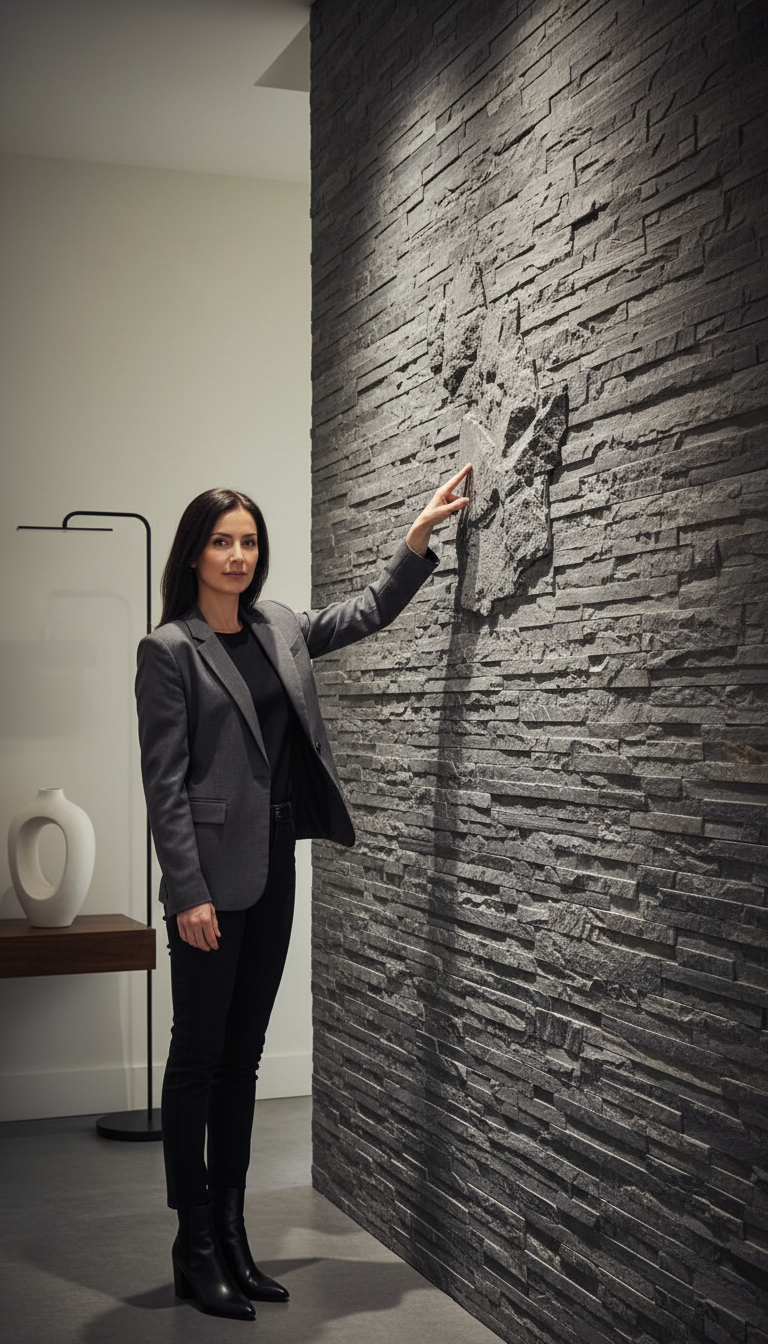
When selecting the right natural stone for your project, consider the specific requirements of your space, including durability, maintenance, and aesthetic preferences. Each stone offers unique benefits and characteristics that can enhance your design.
- For high-traffic or kitchen areas, consider the durability of granite.
- If you desire a luxurious, classic look, marble may be the perfect choice.
- For rustic or outdoor settings, explore the versatility of slate.
- Limestone is ideal for those seeking a soft, elegant appearance.
Ultimately, the right choice depends on balancing aesthetics with practical considerations to ensure your project meets both your design vision and functional needs.