
Expert Tips for Installing Marble Countertops: Avoiding Common Pitfalls


Understanding the Basics of Marble Countertops
Marble countertops are a timeless addition to any kitchen or bathroom, offering elegance and durability. However, installing them can be a complex process that requires careful planning and execution. Understanding the basics of marble, including its natural veining and color variations, can help you make informed decisions during the installation process.
Before you begin, it's essential to measure your space accurately and choose the right slab that complements your interior design. Remember that each marble slab is unique, so take the time to select one that aligns with your aesthetic vision. Consulting with a professional can also provide insight into the best practices for your specific project.
Avoiding Common Measurement Mistakes
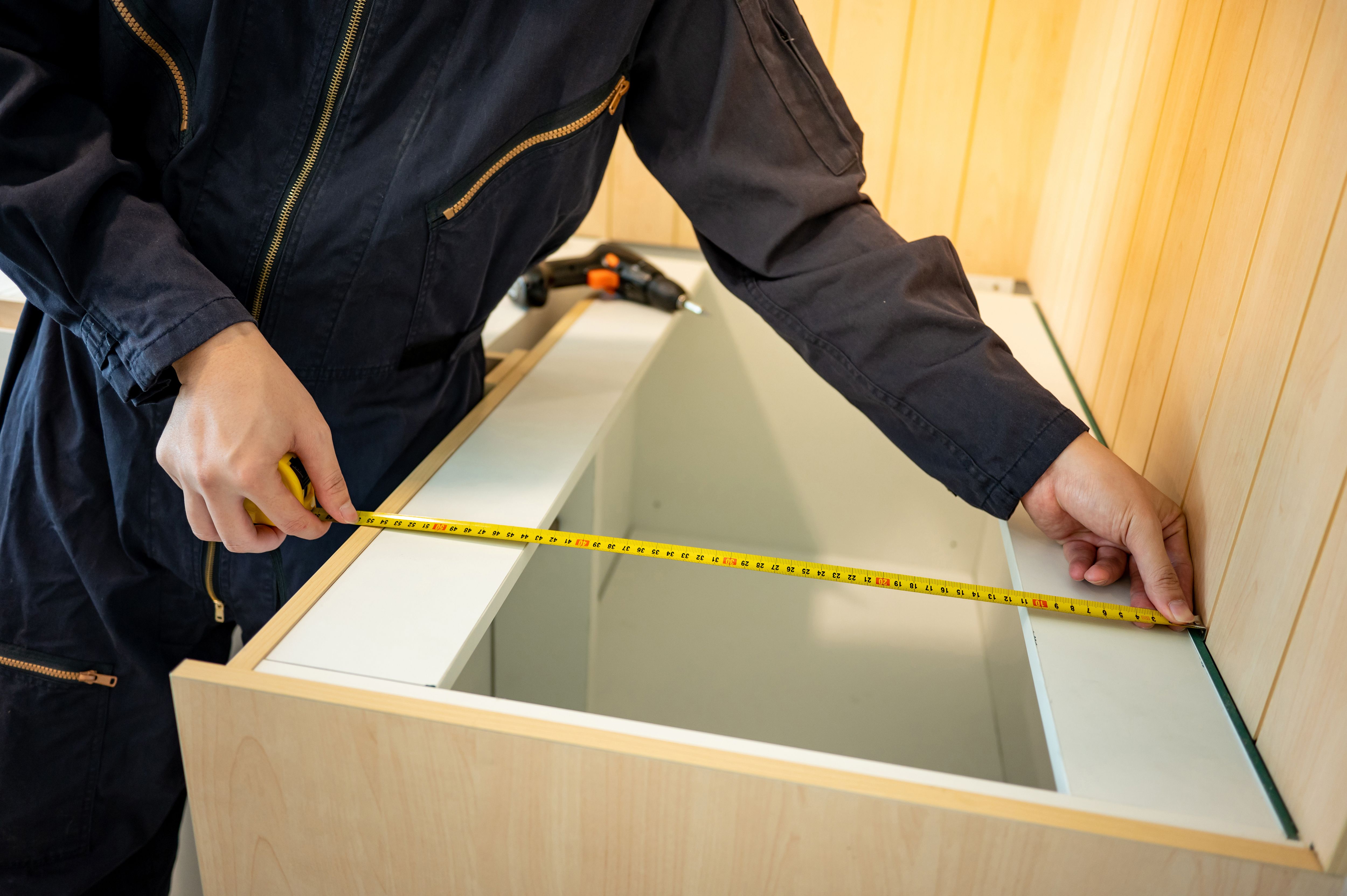
One of the most frequent pitfalls in marble countertop installation is incorrect measurements. To avoid this, ensure all dimensions are accurately documented. Double-checking these measurements can save you time and money in the long run.
Consider the overhang and support needed for your countertops. Marble is heavy, and improper support can lead to cracks or breaks. Ensure that your cabinetry or base structure is sturdy enough to hold the weight of the marble.
Proper Sealing Techniques
Sealing your marble countertops is crucial to protecting them from stains and etching. Marble is a porous stone, which means it can absorb liquids and become stained if not properly sealed. Choose a high-quality sealant and apply it evenly across the surface.
Re-sealing should be done periodically, depending on the usage of the countertops. A simple water test can help determine if it's time to reseal: sprinkle a few drops of water on the surface; if it darkens, it's time for a new coat of sealant.
Handling Installation Challenges
Installing marble countertops can present several challenges, particularly with cutting and fitting the slabs. Hiring a professional installer can mitigate these risks, as they have the tools and expertise required for precision work.
If you choose to do it yourself, ensure you have the necessary equipment, such as a wet saw with a diamond blade, to cut the marble cleanly. Take your time with each cut and fit to reduce the risk of mistakes that can be costly to fix.
Maintaining Your Marble Countertops
Once installed, maintaining your marble countertops is key to preserving their beauty and functionality. Clean the surface regularly with a soft cloth and a pH-neutral cleaner to avoid damaging the stone. Avoid using abrasive materials or harsh chemicals, which can cause etching.
Regular maintenance and care will not only keep your countertops looking pristine but also extend their lifespan. With the right approach, your marble countertops can remain a stunning feature in your home for years to come.