
Exploring the Latest Trends in Marble Finishing Techniques


Introduction to Marble Finishing
Marble, a timeless and elegant natural stone, has been a preferred choice for architects and designers for centuries. Its luxurious appearance and durability make it ideal for various applications, from flooring to countertops. In recent years, innovations in marble finishing techniques have expanded the possibilities for its use, enhancing both aesthetic appeal and functionality.
Traditional Polishing Techniques
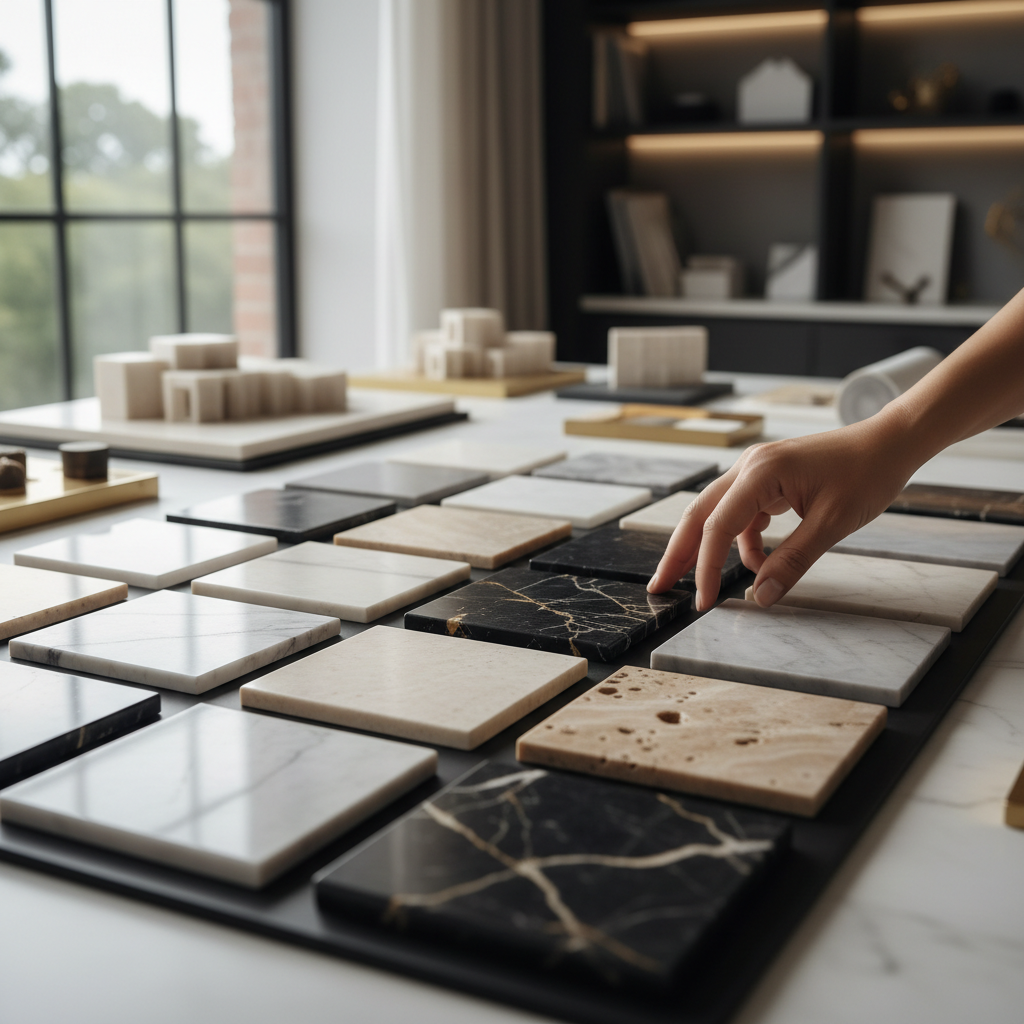
Polishing is one of the most common methods used to enhance the natural beauty of marble. The traditional polishing process involves grinding the surface with progressively finer abrasives to achieve a smooth, glossy finish. This technique enhances the stone's color and pattern, providing a mirror-like sheen that is highly desirable in luxury interiors.
However, traditional polishing is not without its challenges. It requires skilled labor and can be time-consuming. Additionally, maintaining the polished look requires regular care, as marble is prone to scratches and etching from acidic substances.
Honed Finishes: A Subtle Elegance
For those who prefer a more understated look, honed finishes offer a matte appearance that is smooth to the touch. This technique involves sanding the marble to create a flat, non-reflective surface. The result is a soft, velvety texture that is perfect for high-traffic areas, as it shows less wear and tear compared to polished finishes.
Honed finishes are particularly popular in modern and minimalist designs, providing a sophisticated yet understated aesthetic. They also have the practical advantage of being less slippery, making them suitable for flooring in wet areas.
Textured Finishes for Unique Designs
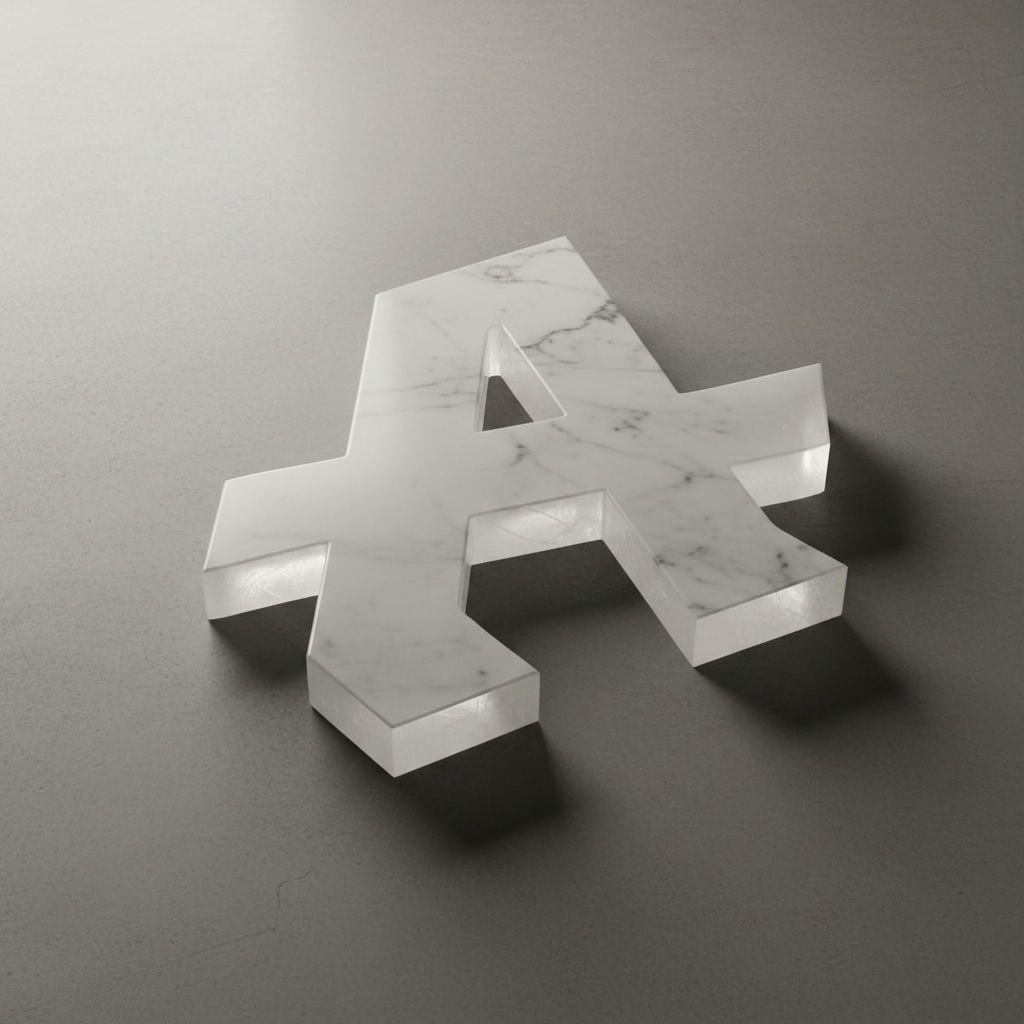
Recent trends have seen a rise in the popularity of textured finishes, which add depth and character to marble surfaces. Techniques such as bush hammering, leathering, and sandblasting create unique surfaces that can complement various design styles.
- Bush Hammering: This technique involves striking the marble surface with a specialized hammer to create a rugged, pitted texture.
- Leathering: Achieved by brushing the marble surface, leathering produces a soft, textured finish that retains the stone's natural color.
- Sandblasting: This method uses high-pressure air mixed with sand to create a uniformly textured surface.
Sustainable and Innovative Approaches
As sustainability becomes a focal point in design, new technologies are emerging to make marble finishing more eco-friendly. Water-based sealants and low-VOC (Volatile Organic Compounds) products are being developed to reduce environmental impact. Additionally, advances in digital printing allow for precise replication of natural stone patterns on more sustainable materials, offering an eco-conscious alternative without sacrificing style.
Conclusion: The Future of Marble Finishing
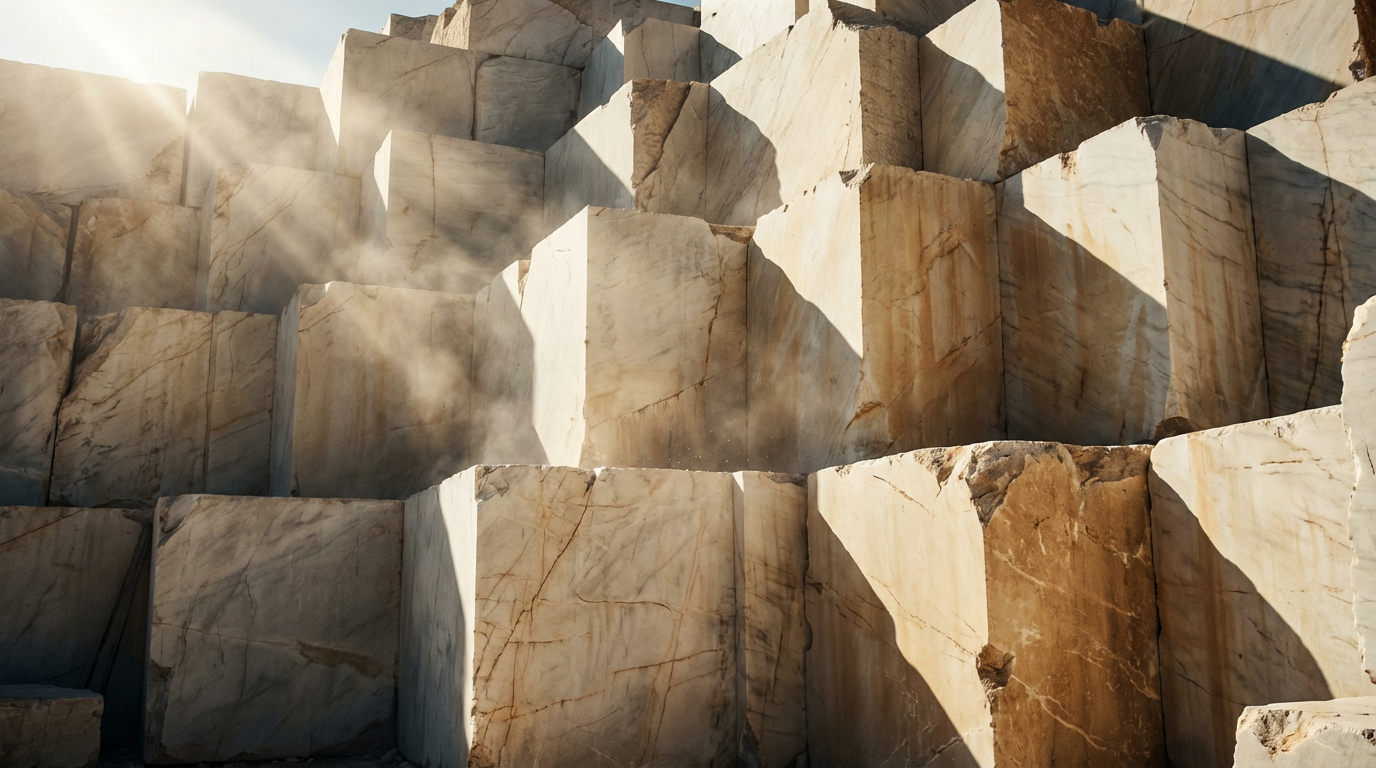
The evolution of marble finishing techniques continues to expand the horizons of design and architecture. With a range of options from high-gloss polishes to textured finishes, the possibilities are nearly endless. As technology advances and sustainability becomes increasingly important, the future of marble in design looks both diverse and promising.
Whether you are a homeowner looking to add a touch of elegance to your space or a designer exploring new creative avenues, the latest trends in marble finishing offer exciting opportunities to enhance any environment with this timeless material.